Samburu National Reserve: Kenya’s Special Five Safari Guide
Quick answer: Samburu National Reserve in northern Kenya is famous for the “Special Five” — five species found almost nowhere else in the country: Grevy’s zebra, reticulated giraffe, Somali ostrich, gerenuk and beisa oryx. It’s quieter and more remote than the Maasai Mara, set along the Ewaso Nyiro River.
If you’ve already done a classic Kenya safari and want somewhere different, Samburu’s arid landscapes and unique wildlife make it a rewarding second destination — and one that far fewer travellers ever get to.
What Makes Samburu Different
Samburu’s semi-arid, acacia-scattered terrain supports species adapted to dry conditions that you won’t typically see in the Maasai Mara or Amboseli — hence the region’s own “Special Five” instead of the classic Big Five. The landscape itself, dotted with doum palms along the river and rocky outcrops beyond it, feels distinct from anywhere else on a typical Kenya circuit.
Meet the Special Five
- Grevy’s zebra – the largest and most endangered of the zebra species, identifiable by its narrow stripes and large rounded ears
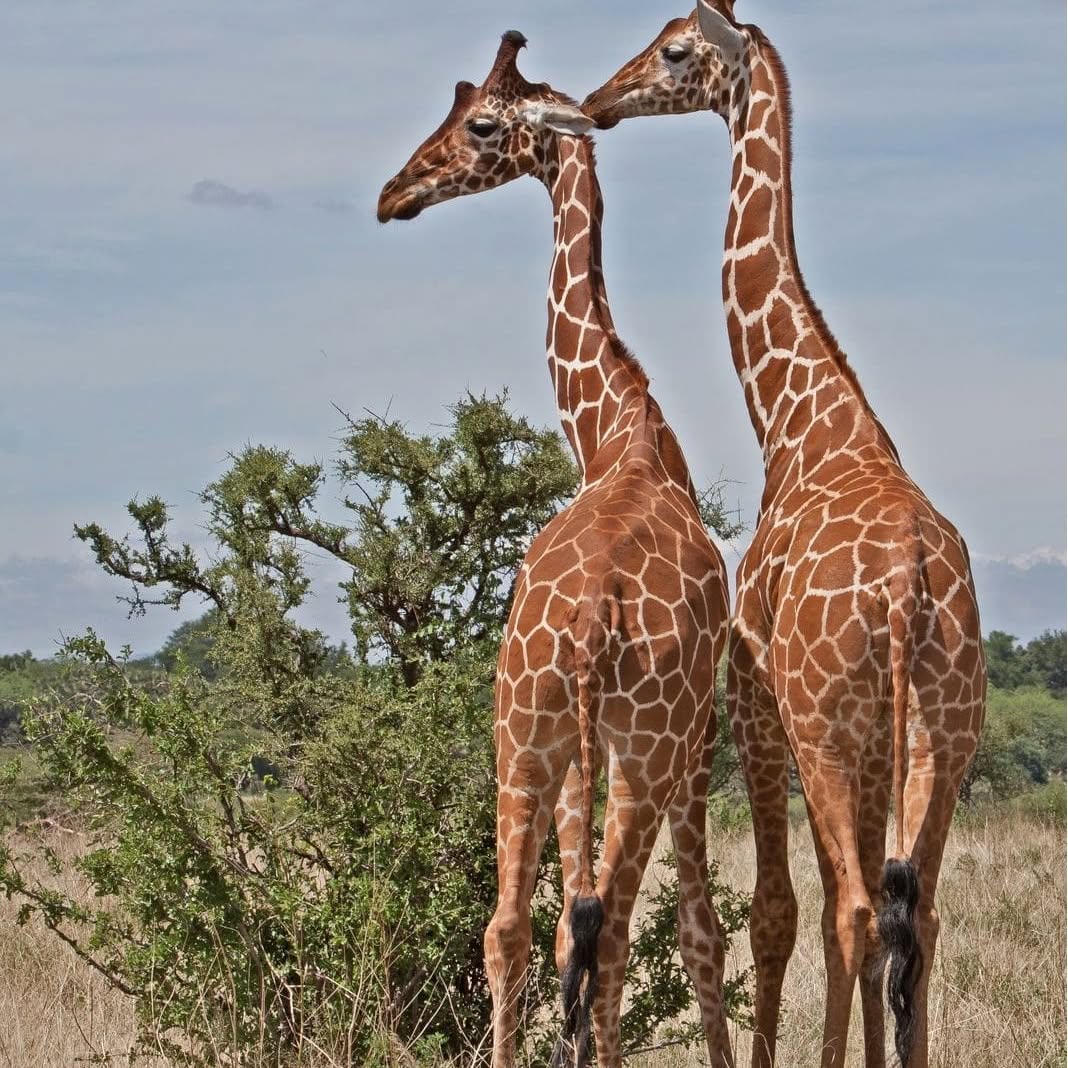
- Reticulated giraffe – known for its sharply defined, geometric coat pattern, unlike the blotchier markings of Maasai giraffe further south
- Somali ostrich – distinguished by its blue-grey neck and legs, versus the pink-necked common ostrich seen elsewhere in Kenya
- Gerenuk – a long-necked antelope that stands on its hind legs against branches to browse on leaves other herbivores can’t reach
- Beisa oryx – a striking antelope with long, straight horns and bold black-and-white facial markings
Other Wildlife in Samburu
Samburu also supports healthy populations of elephants, lions and leopards, plus Nile crocodiles and hippos along the Ewaso Nyiro River, which is the lifeline of the entire ecosystem and where most game concentrates, especially in the dry season.
Samburu Culture
The reserve takes its name from the Samburu people, close relatives of the Maasai who share a similar cattle-herding tradition, distinct beadwork and red-toned dress. Community visits can often be arranged alongside your game drives, similar to a Maasai village visit in the south.
Where to Stay
Camps and lodges are mostly set along the Ewaso Nyiro River, offering front-row views of elephants and other wildlife coming down to drink, especially appealing during the dry months when river access becomes even more important to local wildlife.
What to Pack for Samburu
Samburu runs hotter and drier than the Maasai Mara, so pack lightweight, breathable clothing, a wide-brimmed hat and extra sun protection. Mornings and evenings can still be cool, so bring one warmer layer for early game drives along the river. See our full safari packing list for the complete rundown.
Photography in Samburu
Samburu’s open, dry terrain and river-edge wildlife make it a rewarding destination for photography — for tips on gear and timing, see our safari photography guide.
Best Time to Visit
June to October and January to March are driest, with wildlife concentrated near the river — the best window for consistent sightings, though Samburu rewards visitors in any season thanks to its permanent water source.
How to Get There
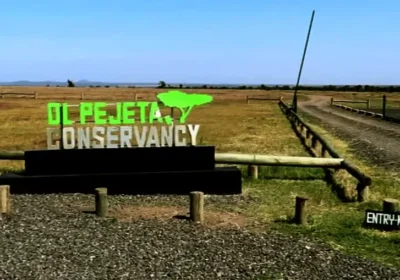
Samburu is around a 5 to 6 hour drive from Nairobi, or roughly 1 hour by domestic flight — often combined with Ol Pejeta Conservancy en route for a northern Kenya circuit.
Samburu vs Other Northern Reserves
Samburu is often compared with neighbouring Buffalo Springs and Shaba reserves, which share the same ecosystem and ford across the same river — many camps offer game drives across all three, effectively multiplying your ground coverage without a separate entrance fee for each. The three reserves together form one of the largest community and government-managed wildlife areas in northern Kenya, and the shared ecosystem means wildlife moves freely between them depending on the season and water availability.
Sample 3-Day Samburu Itinerary
- Day 1: Drive or fly in from Nairobi, afternoon game drive along the river
- Day 2: Full day exploring for the Special Five, optional Samburu cultural visit
- Day 3: Final morning game drive, return to Nairobi or onward to Ol Pejeta
Frequently Asked Questions
Is Samburu worth visiting if I’ve already done the Maasai Mara?
Yes — the Special Five and Samburu’s distinct landscape make it a genuinely different experience, not a repeat of a Mara safari.
How many days do I need in Samburu?
2 to 3 days is typical, often combined with other northern Kenya reserves like Ol Pejeta on a longer itinerary.
Is Samburu safe to visit?
Yes — Samburu is a well-established, regularly visited safari destination with experienced local guides.
Can I combine Samburu with the Maasai Mara?
Yes, though they sit on opposite sides of Kenya — most itineraries treat them as separate legs of a longer, multi-region safari rather than a quick add-on.
Plan Your Samburu Safari with Esther Luxe Safaris
See our 3-Day Samburu Safari or our full Samburu destination guide. Follow our safaris on Instagram, or contact us to start planning.