Ol Pejeta Conservancy Guide: Home of the Last Northern White Rhinos
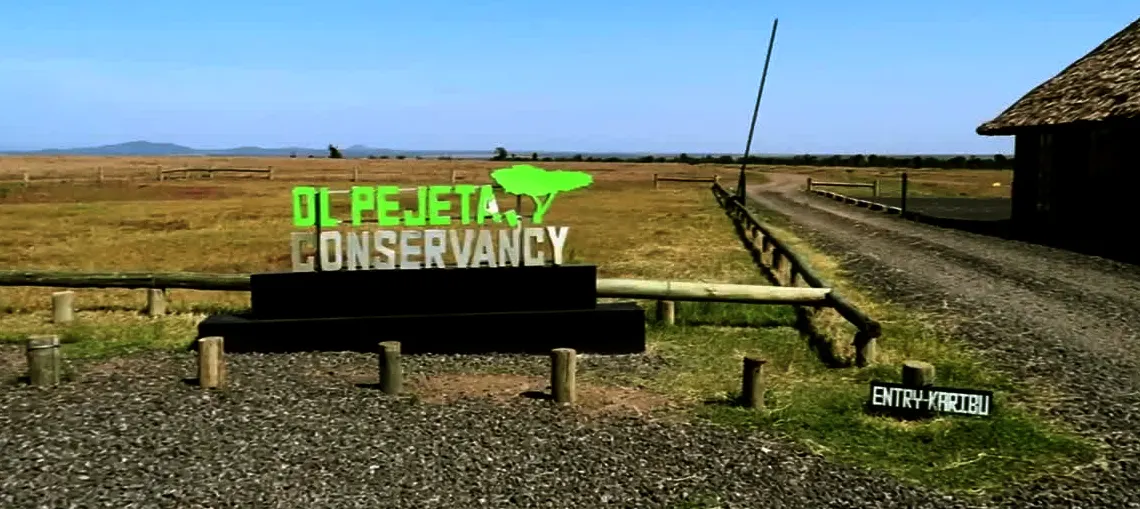
Quick answer: Ol Pejeta Conservancy on Kenya’s Laikipia Plateau is the last home on Earth of the two remaining northern white rhinos. It also protects East Africa’s only chimpanzee sanctuary and a full Big Five population, and sits about 3 hours’ drive from Nairobi.
Ol Pejeta is a private, non-profit wildlife conservancy rather than a government-run national park, which means every visit directly funds rhino protection, community development and anti-poaching work across the surrounding Laikipia region.
Why Visit Ol Pejeta
Ol Pejeta combines rare-species conservation with classic Big Five game viewing in a single reserve, making it one of the most rewarding stops on a Kenya itinerary for wildlife-focused travellers who want more than just a checklist safari.
Key Features
- Northern White Rhinos: Home to Najin and Fatu, the world’s last two remaining northern white rhinos.
- Chimpanzee Sanctuary: Hosts Sweetwaters, the only place in Kenya to see rescued chimpanzees.
- Big Five Viewing: Offers excellent odds of spotting lions, leopards, elephants, buffaloes, and rhinos together.
- Conservation Model: Operates as a non-profit where tourism directly funds regional anti-poaching and community initiatives.
- Night Game Drives: Permits nocturnal drives to spot active predators, unlike most government-run national parks.
- Easy Access: Located just a three-hour drive from Nairobi or a short flight to Nanyuki.
- BioRescue Project: Serves as the ground center for cutting-edge northern white rhino IVF conservation science.
A Brief History of Ol Pejeta
Ol Pejeta began as a cattle ranch before converting to a wildlife conservancy in the late 1980s. Today it’s run as a profit-for-conservation model, meaning tourism revenue, cattle ranching income and conservation activity all operate side by side to fund protection work — a structure that has made it one of Africa’s most financially self-sustaining conservancies.
Meet the Last Northern White Rhinos
Najin and Fatu, a mother-and-daughter pair, are the only two northern white rhinos left on Earth. They live under round-the-clock armed protection at Ol Pejeta. Guided visits to see them follow strict conservancy guidelines to protect their welfare.
The BioRescue Project
Natural reproduction is no longer possible for Najin and Fatu. Therefore, scientists are pursuing an ambitious in-vitro fertilization program using stored genetic material and southern white rhino surrogates. Consequently, global observers closely watch this vital science effort at Ol Pejeta.
Sweetwaters Chimpanzee Sanctuary
Home to chimpanzees rescued from the illegal pet trade and conflict zones in Central Africa, Sweetwaters is the only place in Kenya to see chimpanzees living in a natural sanctuary setting, cared for under a partnership with the Jane Goodall Institute.
Big Five and Other Wildlife
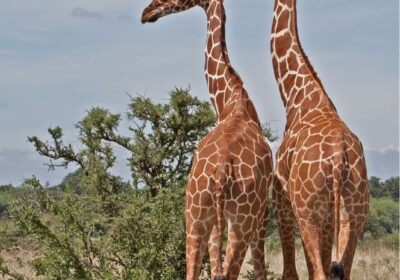
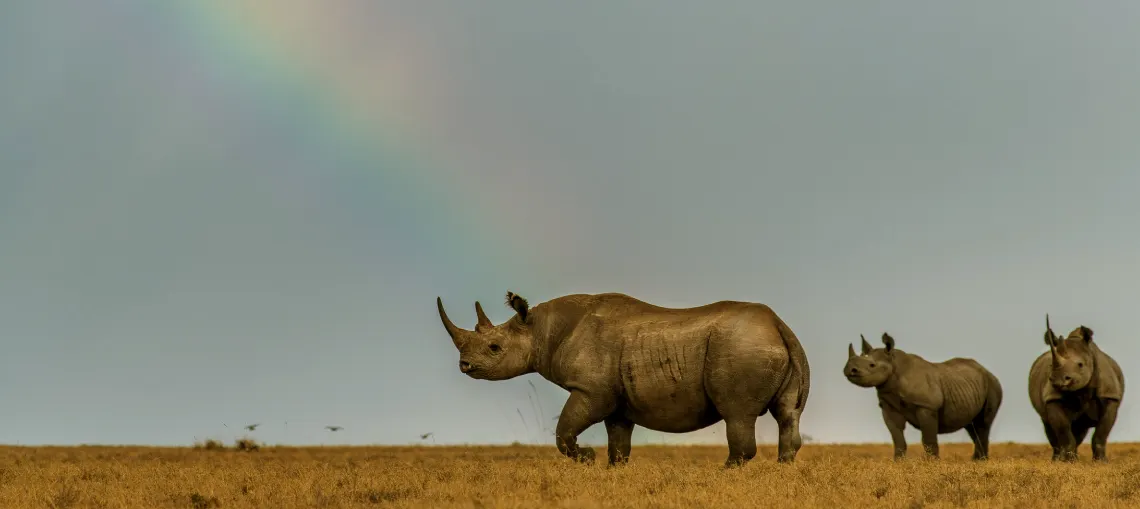
Beyond the northern white rhinos, Ol Pejeta protects healthy populations of black and southern white rhino, lions, leopards, elephants and buffalo, along with reticulated giraffe, and offers some of Kenya’s best odds of spotting all Big Five species in a single game drive.
Where to Stay
Accommodation ranges from tented camps to high-end lodges within the conservancy, many offering night game drives — something not permitted in most Kenyan national parks — for a chance to see nocturnal predators in action.
Sample 3-Day Itinerary
- Day 1: Drive from Nairobi, afternoon game drive
- Day 2: Morning rhino tracking, Sweetwaters Chimpanzee Sanctuary visit, evening game drive
- Day 3: Final morning game drive, return to Nairobi or onward to Samburu
Combining Ol Pejeta With Other Parks
Ol Pejeta sits conveniently between Nairobi and Kenya’s northern reserves, making it easy to combine with Samburu National Reserve for a longer Laikipia-and-north circuit, or to slot in as a shorter add-on either side of a classic Maasai Mara safari. Its central location and well-maintained roads make transfer times shorter than many other conservancies.
Conservation Fees and Community Impact
Unlike Kenya’s government-run national parks, Ol Pejeta reinvests conservancy fees directly into anti-poaching patrols, rhino monitoring, and community programmes in the surrounding Laikipia region, including schools and healthcare initiatives — meaning your visit has a more direct, traceable local impact than a standard park entrance fee.
Best Time to Visit
Ol Pejeta is a year-round destination. June to October and January to March offer the driest conditions and easiest game viewing, though wildlife is present throughout the year.
How to Get There
Ol Pejeta is roughly a 3-hour drive from Nairobi, or a short domestic flight to nearby Nanyuki.
Responsible Rhino Tourism
Ol Pejeta limits the number of visitors permitted near Najin and Fatu each day and keeps a strict minimum distance to avoid stressing the rhinos, meaning advance booking through your tour operator is essential rather than a walk-up option — something we handle as part of your itinerary planning.
Frequently Asked Questions
Can I still see the last northern white rhinos?
Yes — Najin and Fatu live at Ol Pejeta and can be visited on a guided tour within the conservancy.
Is Ol Pejeta good for a short trip?
Yes — it’s easily done as a 2 to 3 day add-on to a longer Kenya safari.
Is Ol Pejeta part of a national park?
No — it’s a private, community-linked conservancy, with entrance fees funding conservation and local development directly, unlike government park fees.
Can I do a night game drive at Ol Pejeta?
Yes — Ol Pejeta is one of the few places in Kenya where night game drives are permitted, offering a chance to spot nocturnal species like leopards and aardvarks.
Where to Stay: Sweetwaters Serena Camp
For a closer look at accommodation inside the conservancy, see our full Sweetwaters Serena Camp guide, which covers the waterhole setting, rooms and rates.
Plan Your Ol Pejeta Safari with Esther Luxe Safaris
See our 3-Day Ol Pejeta Safari or explore our full Ol Pejeta destination guide. Learn more at the official Ol Pejeta Conservancy site, follow us on Instagram for recent sightings, or contact us to start planning.