Kenya Green Season Safaris: Pros, Cons, and Cost Savings (Nov & March–May)
Most people picture Kenya in golden, dusty light, with wildebeest crossing the Mara River under a clear blue sky. But there’s another Kenya that fewer travelers see: lush, quiet, dramatically skies-and-storms beautiful, and noticeably cheaper. This is the green season, and for the right traveler it may be the smartest time to go.7-Day Kenya Budget Safari: Maasai Mara, Lake Nakuru & Amboseli
What Is the Green Season?
Kenya’s green (or low) season follows its rains. The long rains fall roughly from March to May, and the short rains arrive around November, sometimes stretching into early December. Between them, the landscape turns from dry brown to vivid green, and demand for safaris drops sharply. Weather patterns shift from year to year, so treat these months as typical rather than guaranteed.
The Pros
- Lower accommodation rates. This is the headline benefit. Many lodges and camps cut their prices in the low season, often by a meaningful margin, and some add extras such as free nights or inclusive deals. Rates and offers vary by property, so always ask for current green-season pricing.
- Fewer vehicles and crowds. Sightings tend to feel more private, with fewer minibuses gathered around a single lion or leopard.
- Stunning scenery. Green plains, dramatic clouds, and golden-hour light after a storm are a photographer’s dream. Dust is also kept down, so the air is often clearer.
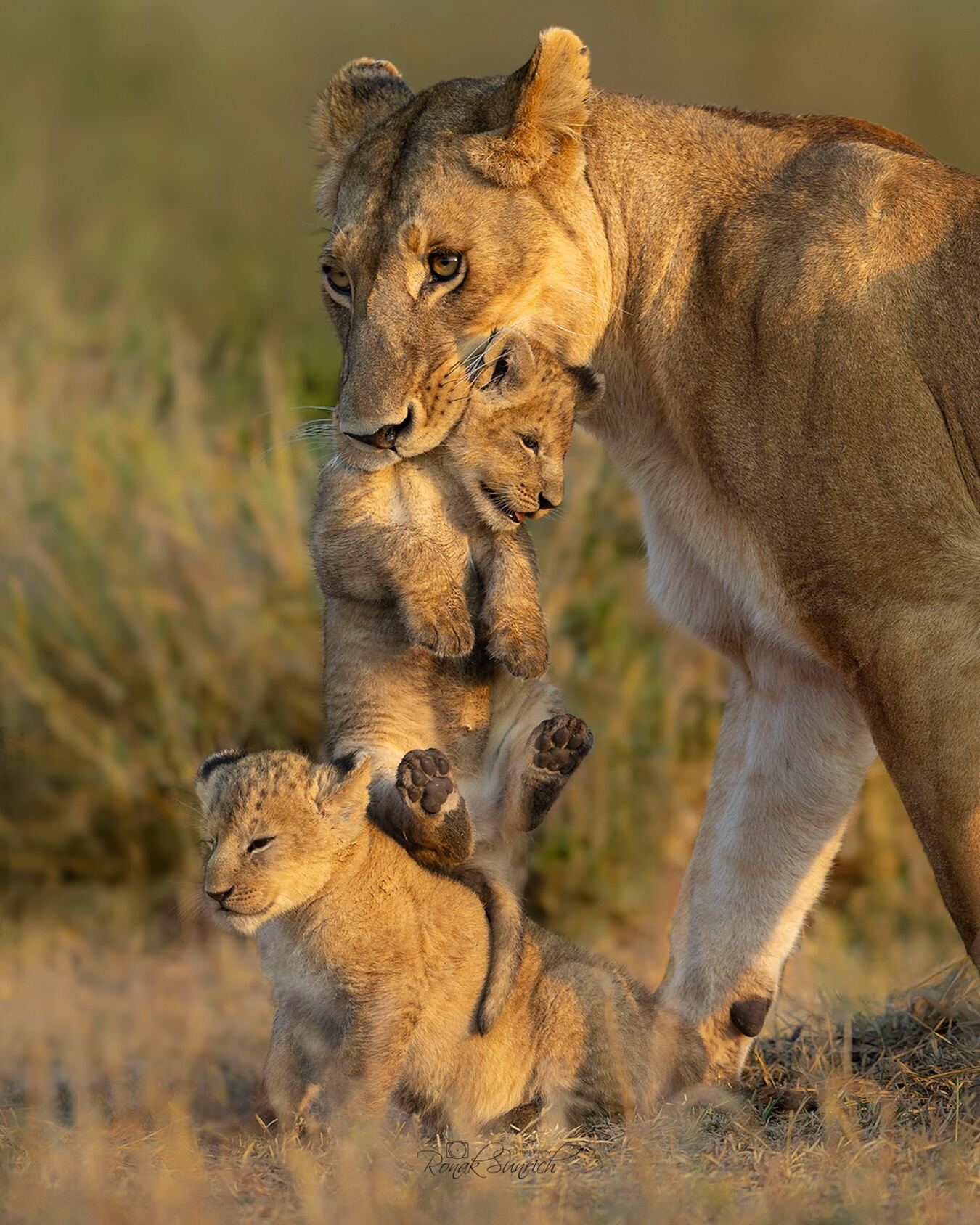
- Baby animals. Many species give birth around the rains or just after them, so you can see calves, foals, and cubs.
- Birdlife. Migratory birds are present in November, and resident birds show off breeding plumage.
- Easier availability. Popular camps that sell out months ahead in peak season often have space at short notice.
The Cons
- Rain. Showers are common, though they usually come in the afternoon or evening rather than lasting all day. April and May tend to be the wettest stretch.
- Harder wildlife spotting. Tall grass and thick bush can hide animals, and with water widely available, wildlife is less concentrated around rivers and waterholes.
- Road conditions. Some tracks become muddy or impassable, which can limit access to certain areas of a park.
- Some camps close. A number of remote or seasonal camps shut for a few weeks in April and May, so your choices may be narrower.
- Not the main migration window. The famous Maasai Mara crossings typically happen in the dry months, roughly July to October, so don’t expect to see them in the green season.
How Much Can You Save?
Savings depend on the lodge, the park, and the exact dates, but the biggest discounts tend to land in April and May, when demand is at its lowest. November is a gentler shoulder period: the short rains are usually lighter and shorter than the long rains, so you often get good value with more reliable weather.
A few ways to stretch your budget even further:
- Ask about green-season specials. Stay-more-pay-less and bonus-night offers are common.
- Book mid-range or smaller camps. They are often flexible on price when occupancy is low.
- Travel midweek or in a small group. Sharing a vehicle and room costs reduces the per-person price.
- Combine parks. Pairing a drier destination with a greener one can balance your risk of rain.
Note that park entry fees are set by the authorities and generally don’t drop in the low season, so most of your savings will come from accommodation and tour pricing.
November vs. March–May: Which Is Better?
Choose November if you want savings with a lower chance of heavy rain, green landscapes, and good birding.
Choose March–May if your priority is the lowest price and the quietest parks, and you’re comfortable with wetter days and some route limitations.
-
Tips for a Great Green Season Safari
- Pack a waterproof jacket, quick-dry layers, and a dust-and-rain cover for your camera.
- Choose a safari company with 4×4 vehicles and experienced guides who know how to handle wet roads.
- Build flexibility into your itinerary in case weather changes your plans.
- Pick a destination with good year-round wildlife, such as Amboseli, Nakuru, or the Mara’s resident game.
The Bottom Line
A green season safari trades guaranteed sunshine and easy sightings for lower prices, quiet parks, and a beautiful, living landscape. If you can handle a little rain and a little patience, you’ll be rewarded with one of the best-value ways to experience Kenya’s wildlife.
Ready to plan your green season safari? Contact us for current rates and the best offers for November and March–May.