Serengeti National Park: The Complete Safari Guide
Quick answer: The Serengeti is Tanzania’s most famous national park, known for endless open plains, year-round Big Five wildlife and the Great Migration’s dramatic river crossings. Most visitors spend 3 to 4 days here, commonly combined with the Ngorongoro Crater and Tarangire on a northern Tanzania circuit.
Few names carry as much safari weight as the Serengeti — and for good reason, given the scale and reliability of its wildlife viewing across every season.
A Landscape Built for Wildlife
The Serengeti’s name comes from the Maasai word “siringet,” meaning endless plains — an accurate description of the park’s vast, largely flat grasslands that support one of the highest concentrations of large mammals on Earth across roughly 14,750 square kilometres.
The Great Migration
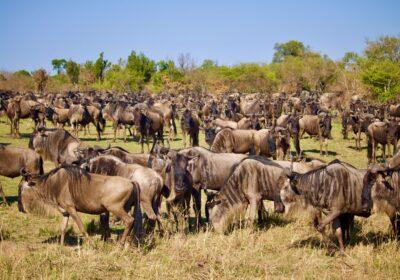
Over 1.5 million wildebeest, along with hundreds of thousands of zebra and gazelle, move through the Serengeti in a continuous annual cycle, with dramatic river crossings typically occurring around June and again in the Mara River area further north. See our full Migration guide for month-by-month timing.
Wildlife Year-Round
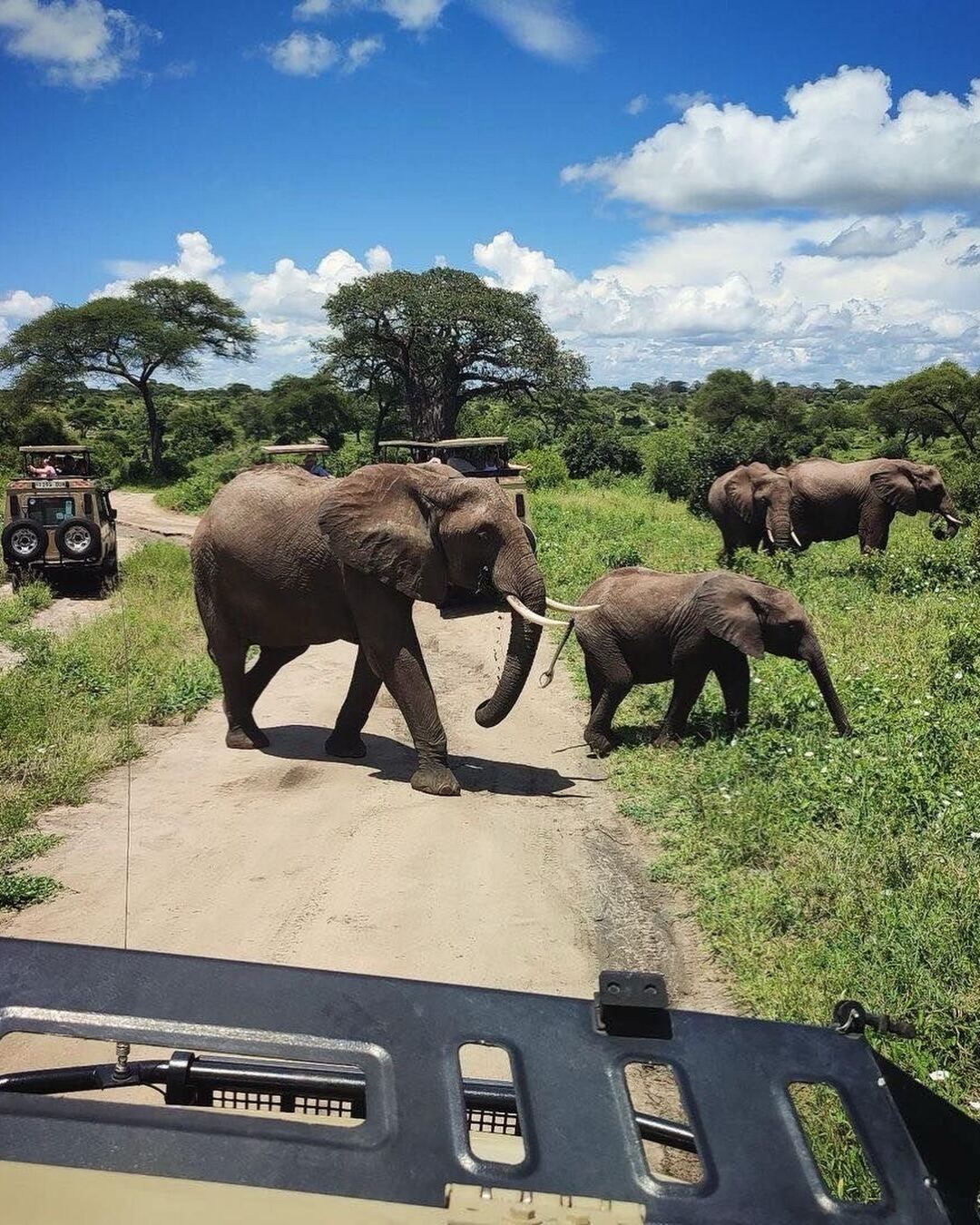
Even outside migration season, the Serengeti supports resident lion prides, leopards, cheetahs, elephants and buffalo, making it a rewarding destination at any time of year rather than only during the migration months.
Different Regions of the Serengeti
The park is vast, and different areas suit different seasons — the southern plains around Ndutu are best for calving season (January to March), the central Seronera area offers strong year-round game viewing, while the northern Serengeti near the Mara River suits the river-crossing months of July to October.
Balloon Safaris Over the Serengeti
Like the Maasai Mara, the Serengeti offers hot air balloon safaris at sunrise, giving an aerial view of migrating herds that’s simply not possible from a vehicle — see our photography guide for tips that apply here too.
The Serengeti as a UNESCO World Heritage Site
The Serengeti was designated a UNESCO World Heritage Site in 1981, recognised for hosting the largest terrestrial mammal migration on Earth and one of the most intact large-mammal ecosystems left in the world. This status has helped secure long-term protection and funding for the park across changing political and economic circumstances in the region.
Big Cat Viewing in the Serengeti
The Serengeti holds one of Africa’s densest lion populations, alongside healthy numbers of leopard and cheetah, making it one of the most reliable parks on the continent for big cat sightings in a single visit — the open terrain in particular favours cheetah, which rely on clear sightlines to hunt successfully.
Where to Stay
Accommodation ranges from mobile tented camps that follow the migration to permanent luxury lodges, with camp location largely determined by which part of the migration cycle you’re visiting for — booking well in advance matters more here than almost anywhere else in East Africa.
What to Pack for the Serengeti
Pack neutral-coloured clothing, layers for cool mornings and warm afternoons, and a good pair of binoculars — our full safari packing list covers everything in detail and applies equally well to a Serengeti trip. A dust-resistant camera bag is worth adding too — Serengeti roads can be dry and dusty for much of the year, and gear left uncovered tends to accumulate fine dust quickly over the course of a multi-day trip. Spare batteries and memory cards are equally important, since charging points can be limited at more remote mobile camps that follow the migration.
Combining the Serengeti With Other Parks
Most itineraries pair the Serengeti with Tarangire and Ngorongoro on a single northern circuit, since all three sit within a few hours’ drive of each other via Arusha.
How to Get There
The Serengeti is typically reached by road or light aircraft from Arusha, with flights cutting a multi-hour drive down to under an hour — well worth considering if your schedule is tight.
Serengeti vs Maasai Mara
Travellers often ask whether to choose the Serengeti or the Maasai Mara — both sit within the same ecosystem but in different countries, with different strengths depending on timing and budget. See our full Maasai Mara vs Serengeti comparison for a detailed breakdown.
Frequently Asked Questions
How many days should I spend in the Serengeti?
3 to 4 days is typical, giving enough time to explore different areas of the park.
Is the Serengeti the same as the Maasai Mara?
No — they’re part of the same wider ecosystem but sit in different countries, with different park fees, visa requirements and peak seasons.
What visa do I need for the Serengeti?
A Tanzania visa is required — see our full Tanzania visa guide.
When is the best time to see river crossings?
July to October offers the best odds, when the migration typically reaches the northern Serengeti and Mara River.
Plan Your Serengeti Safari with Esther Luxe Safaris
See our 3-Day Serengeti Safari or our full destination guide. Learn more at the official Tanzania National Parks Authority site, follow us on Instagram, or contact us to start planning.