Maasai Culture: What to Know Before Visiting a Maasai Village
Quick answer: The Maasai are a semi-nomadic pastoralist community native to southern Kenya and northern Tanzania, known for their distinctive red shuka clothing, intricate beadwork and cattle-centred way of life. Many Maasai Mara safaris include an optional village visit, arranged respectfully and directly with local communities.
A Maasai village visit can be one of the most memorable parts of a Kenya safari when approached thoughtfully — here’s what to expect and how to be a considerate guest.
Who Are the Maasai
The Maasai have herded cattle across the plains of southern Kenya and northern Tanzania for centuries, maintaining a distinct language (Maa), dress and social structure that continues today alongside modern Kenyan life. Cattle remain central to Maasai identity — traditionally a measure of wealth, used for dowries, and central to most major life ceremonies.
The Maasai Mara Takes Its Name From Them
The Maasai Mara National Reserve is named directly after the Maasai people who have lived across this land for generations, with “Mara” referring to the spotted appearance of the landscape’s acacia trees, clouds and shadows as seen from above — a description passed down through Maasai oral tradition.
What a Village Visit Involves
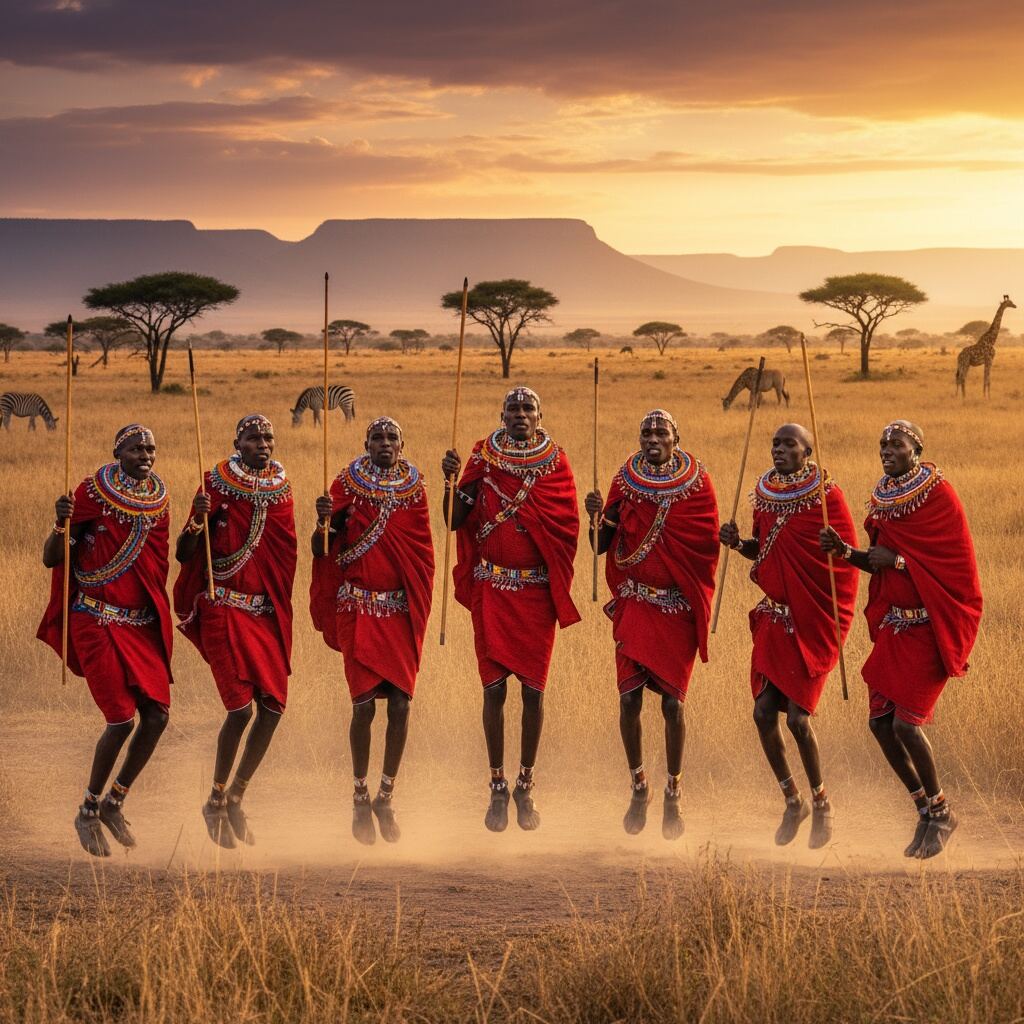
A typical visit includes a welcome dance (often the adumu, or “jumping dance,” performed by young warriors), a tour of a traditional homestead (manyatta), and a chance to learn about daily life, cattle herding and beadwork traditions directly from community members.
Traditional Dress and Beadwork
The red shuka cloth worn by many Maasai is both practical — bright enough to be seen from a distance across open plains — and symbolic, while intricate beaded jewellery indicates age, social status and marital status within the community. Beadwork is typically made and worn by women, with patterns and colours carrying specific cultural meanings.
Etiquette and Respect
Always ask before photographing individuals, follow your guide’s lead on what’s appropriate, and understand that community visits typically involve a fee that goes directly to the village — buying beadwork or crafts is a meaningful way to support the community further, and haggling aggressively over small amounts is generally discouraged.
Where to Experience Maasai Culture
Villages near the Maasai Mara’s conservancies offer the most established, community-run visits, often arranged as part of a broader Mara safari itinerary — our Luxury Maasai Mara Safari can include one on request.
Modern Maasai Life
While traditional dress and customs remain strong, many Maasai today combine pastoral life with modern education, business and conservation work — several Maasai Mara conservancies are in fact Maasai-owned, meaning tourism revenue from your safari can flow directly to the same communities you’re visiting.
A Two-Way Cultural Exchange
The best village visits feel like a genuine exchange rather than a performance — community members are often just as curious about visitors’ lives as travellers are about theirs, and taking time for real conversation, through your guide as translator if needed, tends to make the experience far more meaningful for everyone involved.
Maasai Ceremonies and Rites of Passage
Maasai society is organised around age-sets, with young men passing through defined stages from warrior (moran) to elder, each marked by specific ceremonies. While most of these rites are private community events not open to visitors, guides can often explain the broader system and its significance during a village visit.
Supporting Maasai-Led Conservation
Several conservancies bordering the Maasai Mara are structured as direct partnerships with Maasai landowners, who lease grazing land for wildlife conservation in exchange for steady tourism income — a model that has become one of East Africa’s most successful examples of community-based conservation, protecting habitat while providing a reliable alternative income to livestock alone. These conservancy partnerships are worth knowing about specifically because they mean choosing a Maasai Mara conservancy over the main reserve isn’t just a wildlife-viewing decision — it directly channels your safari spending into Maasai-owned land and livelihoods rather than only government park fees. We can help you weigh up conservancy versus reserve options when planning your itinerary, depending on what matters most to you — exclusivity, price, or the community impact of where your fees end up.
Frequently Asked Questions
Is a Maasai village visit worth doing?
Yes, when arranged respectfully through an established, community-linked operator — it adds valuable cultural context to a wildlife-focused safari.
Do I need to pay to visit a village?
Yes — a fee is standard and goes directly to the community; this is a normal, expected part of the visit.
Can I take photos during a village visit?
Yes, generally, but always ask individuals directly before photographing them, and follow your guide’s guidance.
How long does a village visit usually take?
Most visits last around 1 to 2 hours, easily fitted around morning or afternoon game drives.
Plan a Cultural Safari with Esther Luxe Safaris
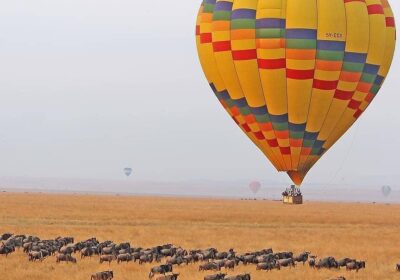
We can include a respectful Maasai village visit as part of your Maasai Mara safari, alongside activities like a hot air balloon safari. Follow us on Instagram, or contact us to start planning.