


Quick answer: Tipping is expected but not mandatory on Kenya and Tanzania safaris. A general guide is $15–25 per day for your driver-guide, $10–15 per day (shared) for camp staff, and $1–2 per bag for porters. Carry small USD bills in cash, since cards and mobile money aren’t reliably available at remote camps. Tipping culture
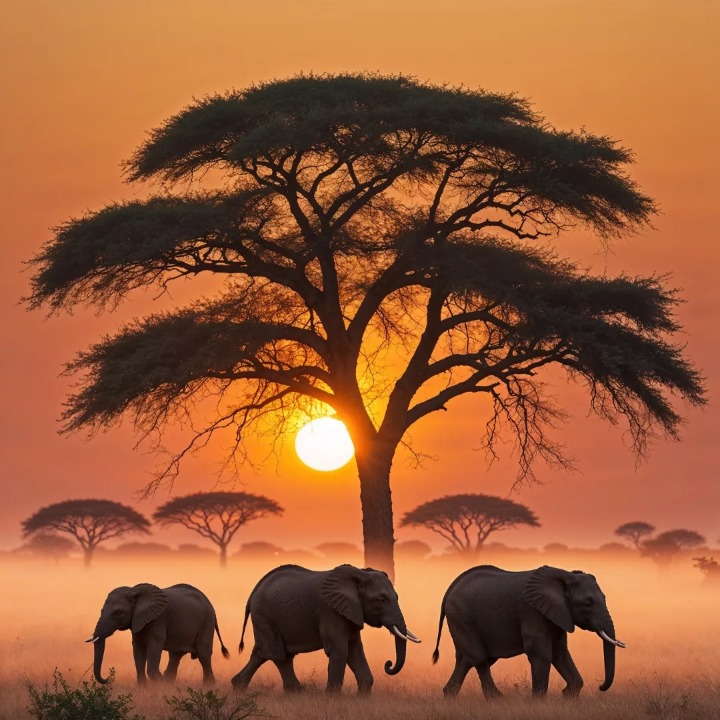
First-Time Safari Guide: What to Expect on Your First African Safari
First-Time Safari Guide: What to Expect on Your First African Safari
 2026-09-10T08:22:28+03:00
Safari Guides
2026-09-10T08:22:28+03:00
Safari Guides
Quick answer: A first safari typically means early morning and late afternoon game drives, relaxed midday breaks at your lodge or camp, and a slower pace than most holidays — built entirely around when wildlife is most active. Most first-timers spend 4–7 days across 1–2 parks to get a real feel for it without rushing.

African Safari Packing List: What to Pack for Kenya in 2026

Quick answer: Pack lightweight, layered clothing in neutral colours (khaki, olive, beige), a warm layer for cold mornings, comfortable closed shoes, a hat, sunglasses, sunscreen, insect repellent, binoculars, a camera, and your travel documents. Most safari lodges offer laundry service, so you can pack light and re-wear clothes. Knowing what to pack can make the
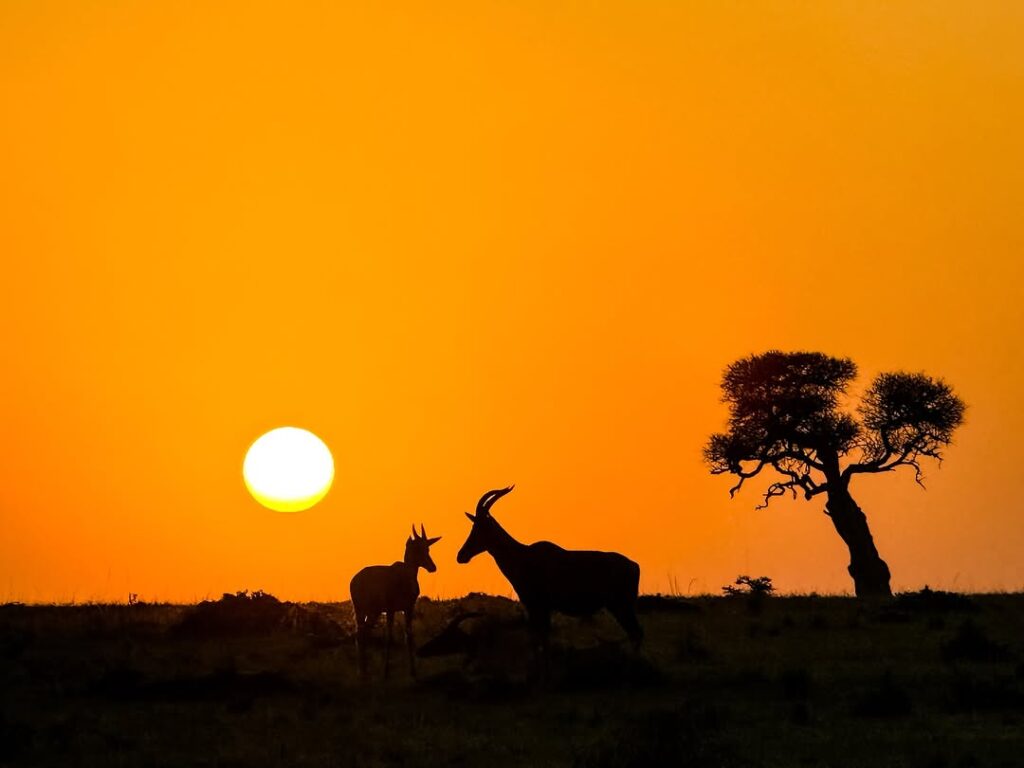
How Many Days Do You Need for a Kenya Safari?

Quick answer: Most first-time visitors need 4 to 7 days for a Kenya safari. That’s enough time to explore two or three parks — typically Maasai Mara, Lake Nakuru and Amboseli — at a comfortable pace without excessive driving between destinations. The right length depends on your budget, the parks you want to see, your

How Much Does a Kenya Safari Cost in 2026?

Quick answer: A Kenya safari typically ranges from a budget group trip to a premium private itinerary, with the total price shaped by the number of days, destinations, accommodation category, and whether you travel privately or in a group. A 3-day Maasai Mara safari costs noticeably less than a 7-day trip covering Maasai Mara, Lake

Best Time to Visit Kenya for a Safari: Month-by-Month Guide
Quick answer: July to October is the single best window for a Kenya safari, covering both the dry season and the Great Wildebeest Migration’s Mara river crossings. January to March is a strong alternative with warm, dry weather and fewer crowds. Kenya is a year-round safari destination, but each season offers a different experience —