Best Things to Do in Mombasa: Beach, Culture & Day Trips
Quick answer: Mombasa blends Swahili coastal culture, historic Old Town architecture and easy beach access with day trips to marine parks, dhow cruises and nearby Shimba Hills. It works well as a 2 to 4 day coastal extension after an inland safari such as Tsavo or Amboseli.
Kenya’s second city has centuries of Swahili, Arab, Portuguese and British history layered into its streets, alongside some of the country’s best beaches just outside town.
Explore Mombasa Old Town
Wander narrow streets lined with carved wooden doors, visit Fort Jesus — a 16th-century Portuguese fort and UNESCO World Heritage Site — and browse spice markets that reflect centuries of Indian Ocean trade between Africa, Arabia and India.
A City Shaped by Trade Winds
Mombasa’s position on the Indian Ocean made it a key trading port for over a thousand years, long before European colonisation. Swahili culture itself grew from this mixing of African, Arab and Persian influences, visible today in the city’s architecture, language, food and dress.
Dhow Cruises and Marine Excursions
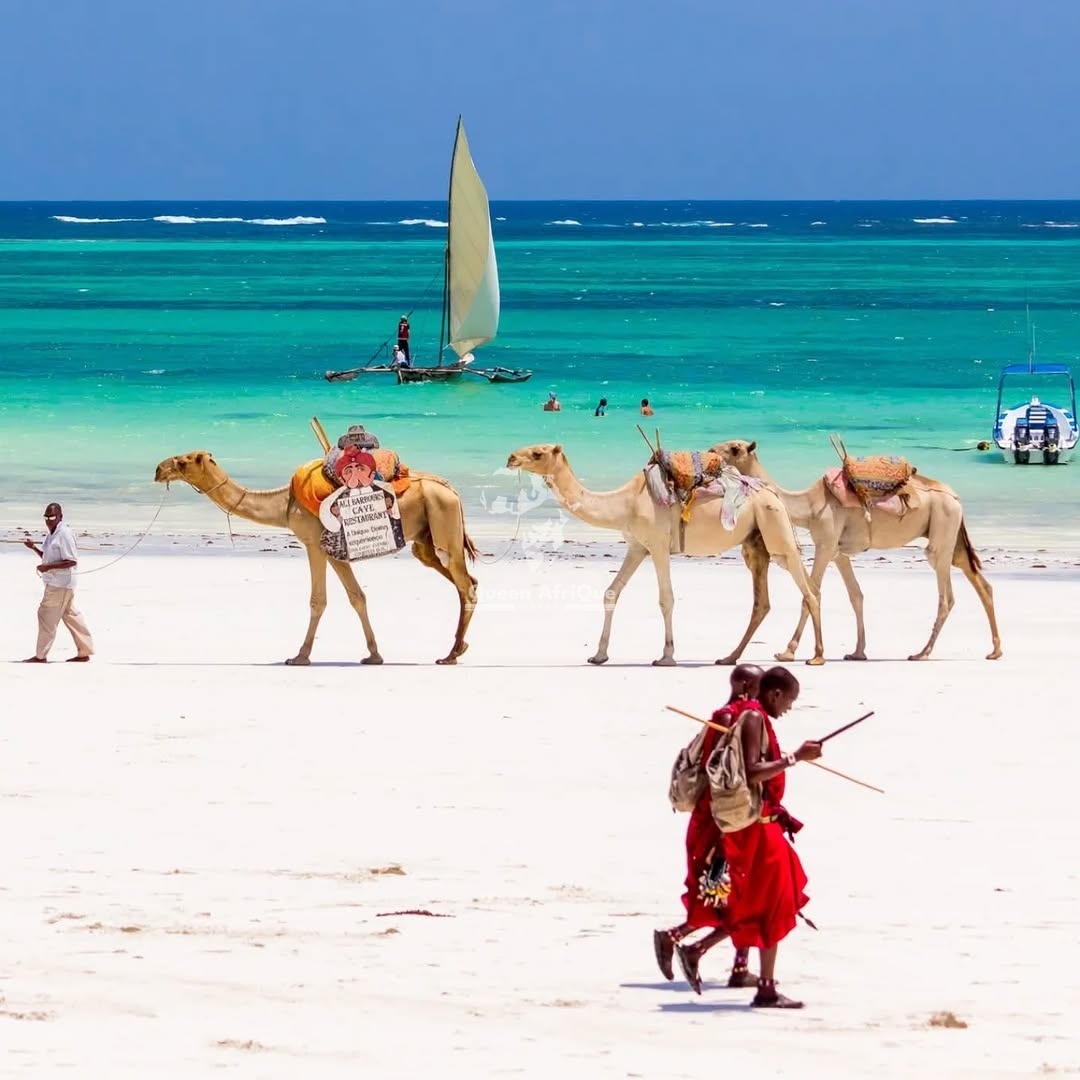
A traditional dhow cruise is one of the best ways to experience the coast, from a sunset dinner cruise on the Tudor Channel to a full-day dolphin-watching and snorkelling trip to Kisite-Mpunguti Marine Park near Wasini Island.
Day Trip to Shimba Hills
Just outside Mombasa, Shimba Hills National Reserve offers lush forest, waterfalls and the chance to see the rare sable antelope, found nowhere else in Kenya — a refreshing change of scenery from the coast and an easy half-day addition to a beach stay.
Beaches Near Mombasa
Diani Beach and Nyali Beach offer white sand and calm, reef-protected water, both easily reached from Mombasa town for a beach-focused day or longer stay, with Diani generally considered the more scenic of the two.
Where to Stay
Options range from beachfront resorts along Nyali and Diani to boutique hotels closer to Old Town, so your choice largely depends on whether you prioritise beach access or walkable proximity to Mombasa’s historic sites.
A Multicultural City
Mombasa is home to significant Swahili, Arab, Indian and European-descended communities, each contributing to a distinct blend of architecture, cuisine, religion and festivals rarely found elsewhere on the East African coast — visible in everything from Old Town’s mosques and Hindu temples standing blocks apart to the mix of Swahili, Arabic and English heard on its streets. This layered identity is part of what makes wandering Old Town so rewarding — few Kenyan cities offer such a dense, walkable mix of cultures within a few square kilometres, and it rewards visitors who take the time to explore slowly rather than rush through on a single afternoon. Hiring a local guide for the Old Town walk makes a real difference here — much of the area’s history isn’t signposted, and a good guide can point out details in door carvings, building facades and street layouts that most visitors would otherwise walk straight past.
Getting Around
Mombasa Island connects to the mainland by bridges and the Likoni ferry, and most coastal attractions are a short drive or transfer from wherever you’re staying — we handle all transfers as part of your itinerary.
Sample 3-Day Coastal Itinerary
- Day 1: Arrive, Old Town walking tour and Fort Jesus
- Day 2: Wasini dhow cruise with dolphin watching and snorkelling
- Day 3: Shimba Hills day trip or beach relaxation at Diani or Nyali
Mombasa’s Food Scene
Coastal Swahili cuisine is one of Mombasa’s highlights — expect coconut-based curries, grilled fresh seafood, biryani and pilau rice, all reflecting the city’s centuries of trade with Arabia, India and Persia. For more on Kenyan food generally, see our Kenyan food guide.
Packing for the Coast
Lightweight, breathable clothing works best in Mombasa’s humid coastal climate, along with reef-safe sunscreen, a hat and modest coverage for visiting Old Town and its mosques — shoulders and knees should generally be covered when exploring religious or historic sites.
Best Time to Visit
January to March and June to October offer the driest, sunniest coastal weather, ideal for beach time and marine excursions, while April and May bring heavier rains.
Frequently Asked Questions
How many days should I spend in Mombasa?
2 to 4 days is typical, balancing Old Town culture with beach relaxation.
Is Mombasa good to combine with a safari?
Yes — Mombasa is a classic bush-to-beach add-on after a Kenya safari, often paired with Tsavo or Amboseli en route.
Is Mombasa safe for tourists?
Yes — Mombasa is a well-established tourist destination; standard travel precautions apply as in any coastal city.
Is Diani or Nyali better for beach time?
Diani is generally considered more scenic with softer sand and a longer stretch of coastline, though Nyali is closer to Mombasa town for shorter transfers.
Plan Your Mombasa Coastal Extension
Explore our Mombasa City Tour, Wasini Dhow & Dolphin Excursion, Tamarind Dhow Dinner Cruise and Shimba Hills day trip. Follow us on Instagram, or contact us to build a coastal itinerary.